A practical safety checklist for seniors living independently
For many older New Zealanders, the desire to remain in their own home as they age is strong. Independent living brings comfort, autonomy, and a familiar routine. But it also introduces real questions about safety, especially when family members live in a different city or even just across town. How do you ensure a loved one can get help quickly if they fall or feel unwell? How do you stay connected to their daily life without being intrusive?
A thoughtful safety plan can address these concerns without turning a home into a medical facility. The goal is to support independence while reducing the risks that come with living alone. This checklist covers the key areas to review with an older relative, so both of you can feel more confident about their day-to-day safety.
Check the home environment for fall risks
Falls are one of the most common hazards for seniors living alone. The good news is that many falls can be prevented with simple changes around the house. Walk through each room and look for loose rugs, cluttered walkways, or slippery floor surfaces. Bathrooms and stairs deserve extra attention. Grab bars near the toilet and in the shower can make a meaningful difference. Non-slip mats in the bath and a sturdy shower seat are also worth considering.
Lighting matters too. Night lights in hallways and bathrooms help with middle-of-the-night trips. A lamp or torch kept within reach of the bed means no one has to navigate a dark room. These adjustments are low-cost but can prevent the kind of injury that leads to a loss of independence.
Establish a daily check-in routine
One of the simplest ways to keep tabs on an older relative is a regular check-in. It does not need to be elaborate. A quick phone call at a set time each morning, or a text message exchange, can confirm they are up and feeling okay. If the call goes unanswered, that is an early signal that something might be wrong.

Some families use a shared calendar or a simple whiteboard system. The older person marks that they have taken their medication or eaten breakfast. A family member can glance at it during a visit or check by video call. The key is consistency, not complexity. A routine that both sides find easy to follow is far more likely to stick.
Keep emergency contacts accessible
Every senior living alone should have a list of emergency numbers near the phone and on the fridge. This includes family members, the local doctor, and a neighbour who can help in a pinch. Program the same numbers into a mobile phone or a simple speed-dial setup if they are comfortable with technology.
It also helps to have a printed card in a wallet or handbag. If they are out and something happens, a stranger or paramedic can quickly see who to call. Review the list every few months to make sure the numbers are still current.
Review medication management
Missing doses or taking the wrong amount is a common problem when routines slip. A weekly pill organiser with compartments for morning and evening can prevent confusion. Some families set a repeating alarm on a phone or a simple kitchen timer. If the person takes multiple medications, a printed schedule taped to the organiser provides a quick reference.
For those who want an extra layer of reassurance, a service that sends a reminder or alert to a family member when a dose is missed can be helpful. But even a low-tech system works well if it is used consistently.
Look at personal safety devices
A personal alarm or a gps safety device can be a powerful addition to the plan. These devices are designed for seniors who want to stay active and independent but still have a way to call for help if needed. Many models are worn as a pendant or a wristband, so they are always within reach. The best ones include fall detection, which automatically alerts a nominated contact or a monitoring centre if a fall is detected, even if the person cannot press a button.
Some devices also offer two-way voice, so a family member can speak directly to the older person through the device to check what is happening. This can be less alarming than a silent alert that sends help without explanation. For families who live at a distance, a device with gps and wi-fi location tracking provides peace of mind, because they can see that their loved one has left the house and returned safely.
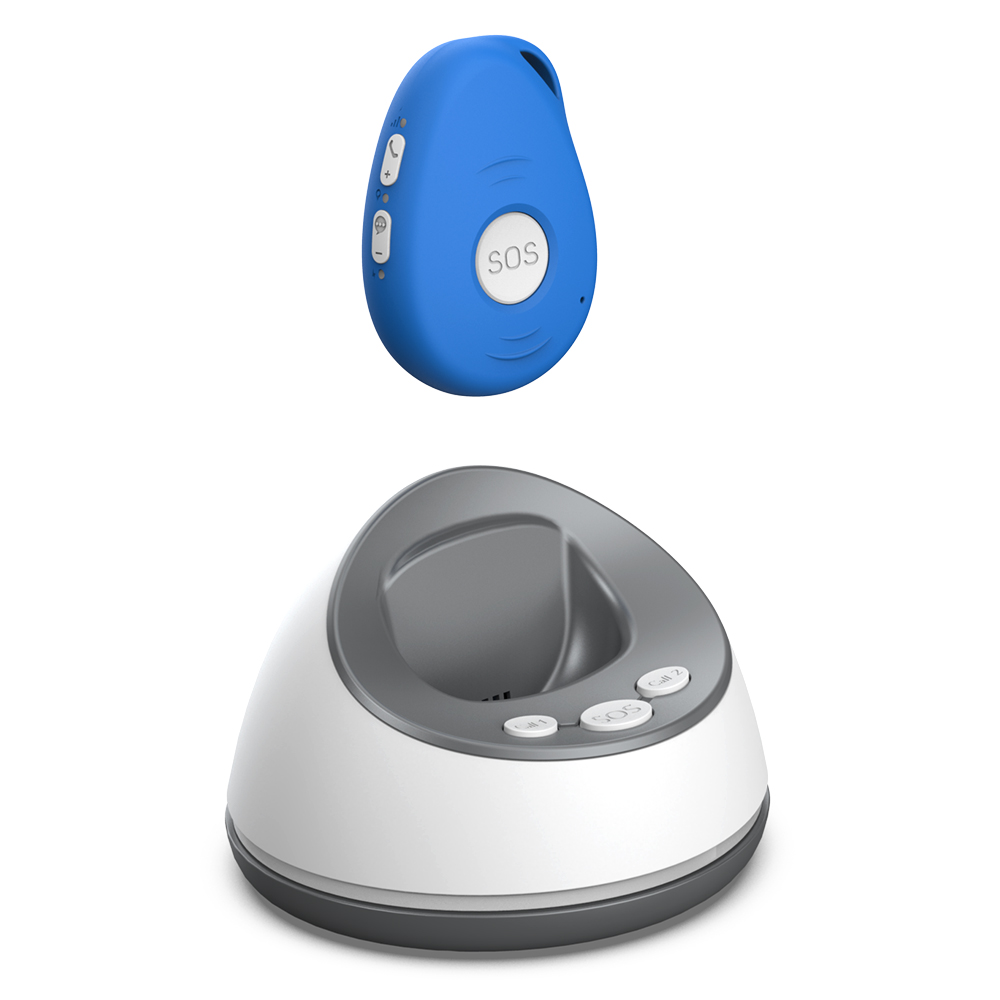
Families in New Zealand have options like those offered by familyr.co.nz, which combine these features without ongoing monthly fees. A device that works on both gps and wi-fi can provide accurate location indoors and out, and the sos button gives the wearer a direct way to signal that they need help. Two-way voice lets the family speak through the device to understand the situation before deciding what to do next.
Plan for getting help quickly
Even with the best prevention, emergencies happen. The question is how quickly help can arrive. If the senior lives in a retirement village or a complex with on-site staff, they should know the procedure for contacting them. If they live in a standalone house, a neighbour who has a spare key and knows the person well can be a lifesaver.
A gps safety device with an sos button can speed things up considerably. When the button is pressed, the device sends an alert to pre-set contacts, who can then call the senior or send emergency services. Some devices also allow the wearer to speak directly to the contact through the device, so they can explain what is wrong without having to find a phone.
It is worth practising what to do in a few common scenarios. Role-playing a fall or a sudden illness might feel awkward, but it removes confusion in the moment. The senior should know exactly which button to press and what to say if someone answers.
Consider social connection and wellbeing
Safety is not just about physical hazards. Loneliness and isolation can affect an older person's health and their ability to cope with small problems before they become big ones. Regular social contact, whether through a club, a community group, or regular visits from family, keeps them engaged and more likely to notice changes in their own wellbeing.
A simple weekly phone or video call with a family member can serve as both a social check-in and a safety check. If the senior seems down or confused, that may be the first sign that something needs attention. Social connection is a form of safety too.

Review and update the plan regularly
Needs change. A plan that works well today might not fit in six months. Set a reminder every few months to walk through the checklist again. Has the person's mobility changed? Are they taking new medications? Have they started going out less often? Adjust the safety measures to match.
Talk openly about what is working and what feels awkward. The senior might resist a particular device or routine because it feels too complicated or intrusive. Finding a solution they are comfortable with is far better than forcing something they will ignore.
Independent living is a goal worth supporting. With a practical safety checklist that covers the home environment, daily routines, medication, and a reliable way to call for help, older New Zealanders can stay in their own homes longer and with more confidence. A gps safety device can be a key part of that plan, but it works best when it fits into a broader approach that respects the person's independence and preferences.